
Introduction: Why Size Matters ?
In construction, even a single inch can determine whether a project passes inspection, saves energy, or looks visually balanced. Knowing the standard size of doors and windows is essential for architects, contractors, and homeowners. From the average kitchen window size to the egress window size chart required by building codes, these measurements define not just function but also safety and style.
Understanding the Language of Door and Window Sizes
How Window Sizes Are Expressed ?
Window sizes in North America are often expressed with four digits. For example:
3050 window size → 30 inches wide × 50 inches tall.
4040 window size → 40 × 40 inches, a square picture window.
2860 window size → 28 × 60 inches, commonly used in bedrooms.
Contractors must also consider the difference between a window rough opening vs window size. Rough openings are typically ½ inch larger to allow for proper shimming and insulation. Misunderstanding this can lead to costly mistakes in framing.
Standard Door Sizes in Construction
Doors are equally standardized, especially in residential construction.
Interior Doors
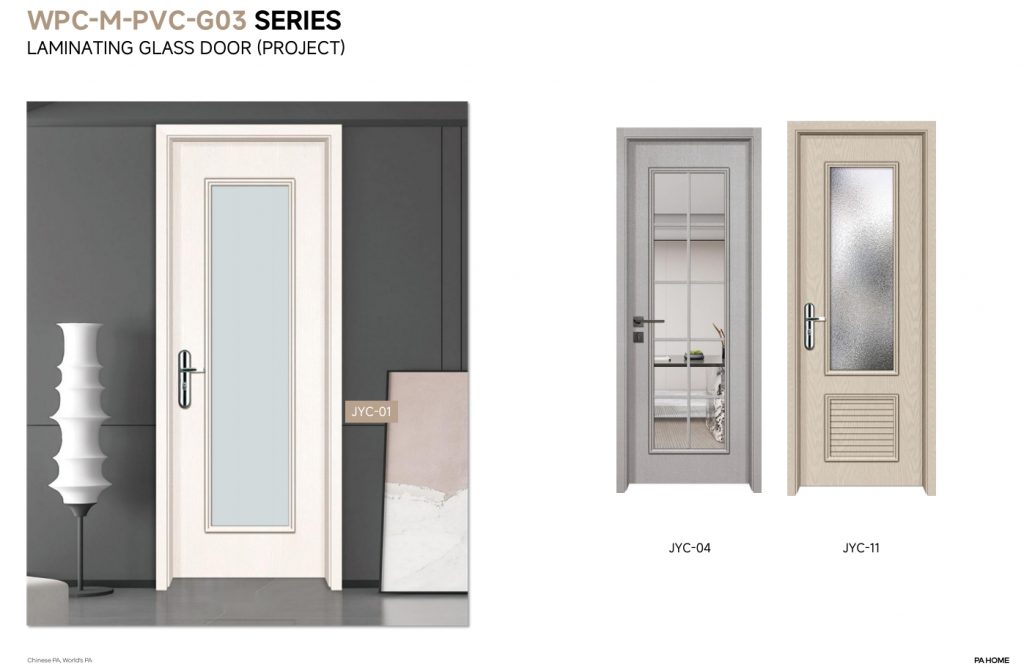
Most interior doors range from 24 to 36 inches wide, with a height of 80 inches. Narrower doors, like 24-inch models, are common in closets and utility spaces, while 30-inch or 32-inch doors suit bedrooms and bathrooms. 36-inch doors provide accessibility and comply with ADA standards.
Exterior Entry Doors

Exterior doors are generally 36 × 80 inches, though double-entry doors can reach 72 inches wide. Sliding patio doors vary, with 60-inch and 72-inch versions most popular.
Here is a quick reference chart:
| Door Type | Common Size (inches) | Metric (cm) | Notes |
|---|---|---|---|
| Interior Door | 30 × 80 | 76 × 203 | Bedroom / living spaces |
| Interior Door | 36 × 80 | 91 × 203 | Accessible design |
| Exterior Entry Door | 36 × 80 | 91 × 203 | Standard U.S. front door |
| Double Entry Door | 72 × 80 | 183 × 203 | Luxury homes |
| Sliding Patio Door | 72 × 80 | 183 × 203 | Patio or balcony |
Standard Window Sizes
Window design varies widely, but many residential projects rely on repeatable standard sizes.
3030 window size → Often used in bathrooms.
3050 window size in inches → A versatile size for bedrooms.
4040 window size → Common for square living room windows.
6060 window size → A large picture window, popular in modern living spaces.
Here’s a standard window size chart:
| Model Code | Unit Size (inches) | Metric (cm) | Application |
|---|---|---|---|
| 3030 | 30 × 30 | 76 × 76 | Bathroom or closet |
| 3050 | 30 × 50 | 76 × 127 | Bedroom window |
| 4040 | 40 × 40 | 102 × 102 | Picture window |
| 6060 | 60 × 60 | 152 × 152 | Living room / modern homes |
Egress Windows: Safety and Code Compliance

No discussion of window sizes is complete without mentioning egress windows. These are legally required in bedrooms and most basements. A proper egress window size for bedrooms ensures residents can escape during emergencies and first responders can enter if needed.
The IRC (International Residential Code) requires:
5.7 sq ft minimum opening area.
20 inches wide minimum.
24 inches tall minimum.
Sill height not more than 44 inches above the floor.
| Requirement | Minimum | Metric (cm) |
|---|---|---|
| Opening Area | 5.7 sq ft | 0.53 m² |
| Width | 20″ | 51 cm |
| Height | 24″ | 61 cm |
| Sill Height | 44″ | 112 cm |
Builders often consult a basement egress window size chart or bedroom egress window size chart before construction. In regions like Michigan, codes may also define egress window well sizes and covers.
Specialty Windows and Sizes
Not all windows are square or rectangular. Architects often integrate:
Oval window sizes for decorative spaces.
Transom window sizes above doors.
Garden window sizes projecting outward.
Clerestory window sizes to bring light higher in the room.
Custom size basement windows for unique layouts.
Even accessories matter: the what size spline for window screen question ensures replacement screens fit properly. The standard window shutter sizes and window screen frame sizes also play a role in finishing touches.
Real-World Applications
A standard size kitchen window over the sink might be 36 × 36 inches.
A small bathroom window size could be 24 × 24 inches for privacy.
A garage window size often ranges from 24 × 36 inches to 30 × 36 inches.
Bedroom window sizes typically align with egress requirements.
Meanwhile, commercial builders may ask for window size calculators, window size charts in PDF, or even custom size vinyl windows when dealing with unique projects.
Conclusion: Building with Confidence
From a 30 × 50 window size to the exact window rough opening size chart, every measurement in the construction industry is backed by decades of standardization. Following these standards allows contractors to build safer, code-compliant, and aesthetically balanced projects. Whether you’re referencing the average size kitchen window, the standard basement window sizes, or exploring brand-specific charts from Andersen, Marvin, or Milgard, understanding dimensions ensures every project begins and ends with precision.
FAQs
FAQ 1: What is the standard size of an interior door?
Most interior doors in residential construction measure 30″ × 80″ (76 × 203 cm). Other common sizes include 24″ and 28″ widths for closets or bathrooms, and 36″ widths for accessibility.
FAQ 2: What is the difference between window size and rough opening size?
The window size refers to the actual frame dimensions of the unit, while the rough opening size is usually about ½ inch larger in both width and height to allow room for shimming, insulation, and square installation.
FAQ 3: What is the minimum size for an egress window?
According to the IRC (International Residential Code), an egress window must have at least 5.7 sq ft of net clear opening, with a minimum width of 20 inches, a minimum height of 24 inches, and a sill not more than 44 inches above the floor.
FAQ 4: What is the standard window size for a bathroom or kitchen?
A standard bathroom window size is often 24″ × 24″ (61 × 61 cm) or 30″ × 30″ (76 × 76 cm) with privacy glass. A kitchen window over the sink is typically 36″ × 36″ (91 × 91 cm), though sizes vary with layout and design.
FAQ 5: Where can I find brand-specific window size charts?
Manufacturers like Andersen, Marvin, Milgard, PGT, JELD-WEN, and Ply Gem all publish official size charts (often in PDF). These charts provide detailed dimensions, rough openings, and available configurations for casement, sliding, awning, and picture windows.