
What is a Transom Window?
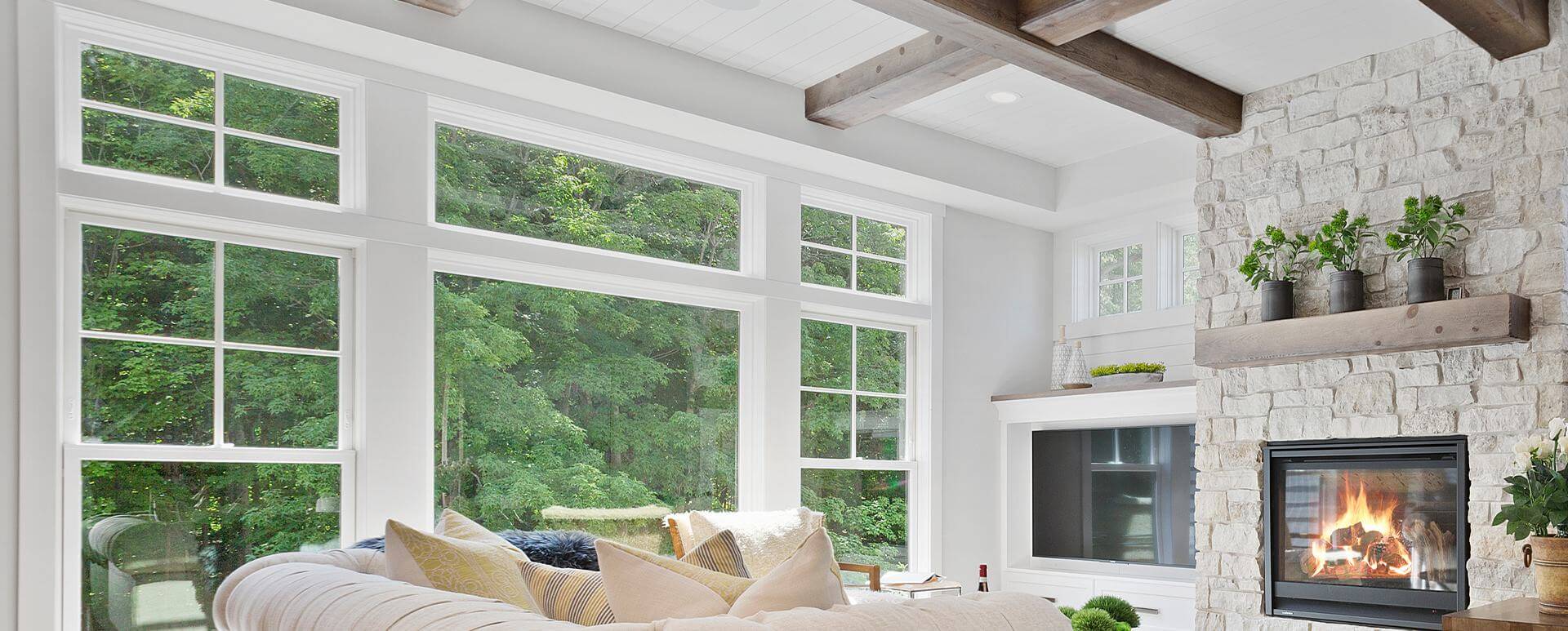
Transom windows add character, natural light, and architectural interest to homes and commercial spaces. These windows are installed above doors or larger windows, acting as both a decorative feature and a practical solution for improving ventilation and brightness.
1. Definition and Function
- Transom Window: A horizontal window set above a door or another window. Traditionally, transom windows were used for airflow before modern air systems—today, they’re great for letting in daylight without sacrificing privacy.
- Purpose:
- Boost natural lighting in entryways, hallways, and rooms
- Allow for air circulation in some operable models
- Enhance visual appeal with unique shapes or stained glass
- Typical in both classic and contemporary homes across the UAE.
2. Common Placement
- Above Front Doors: Welcomes guests with added daylight, often seen in historic homes.
- Above Interior Doors: Brightens hallways, offices, or bathrooms.
- Over Large Windows: Used in living rooms or sunrooms to expand light coverage without removing wall space.
- Bathroom or Kitchen: Offers privacy while maintaining ventilation and natural light.
3. Types of Transom Windows
- Fixed Transom: Non-operable, designed mainly for light and style.
- Operable Transom: Can be opened for ventilation, hinged at the top or bottom.
- Shapes:
- Rectangular (most common)
- Semi-circular or arched (“fanlight” style)
- Decorative transoms with divided panes, stained glass, or grilles
Common Transom Window Dimensions
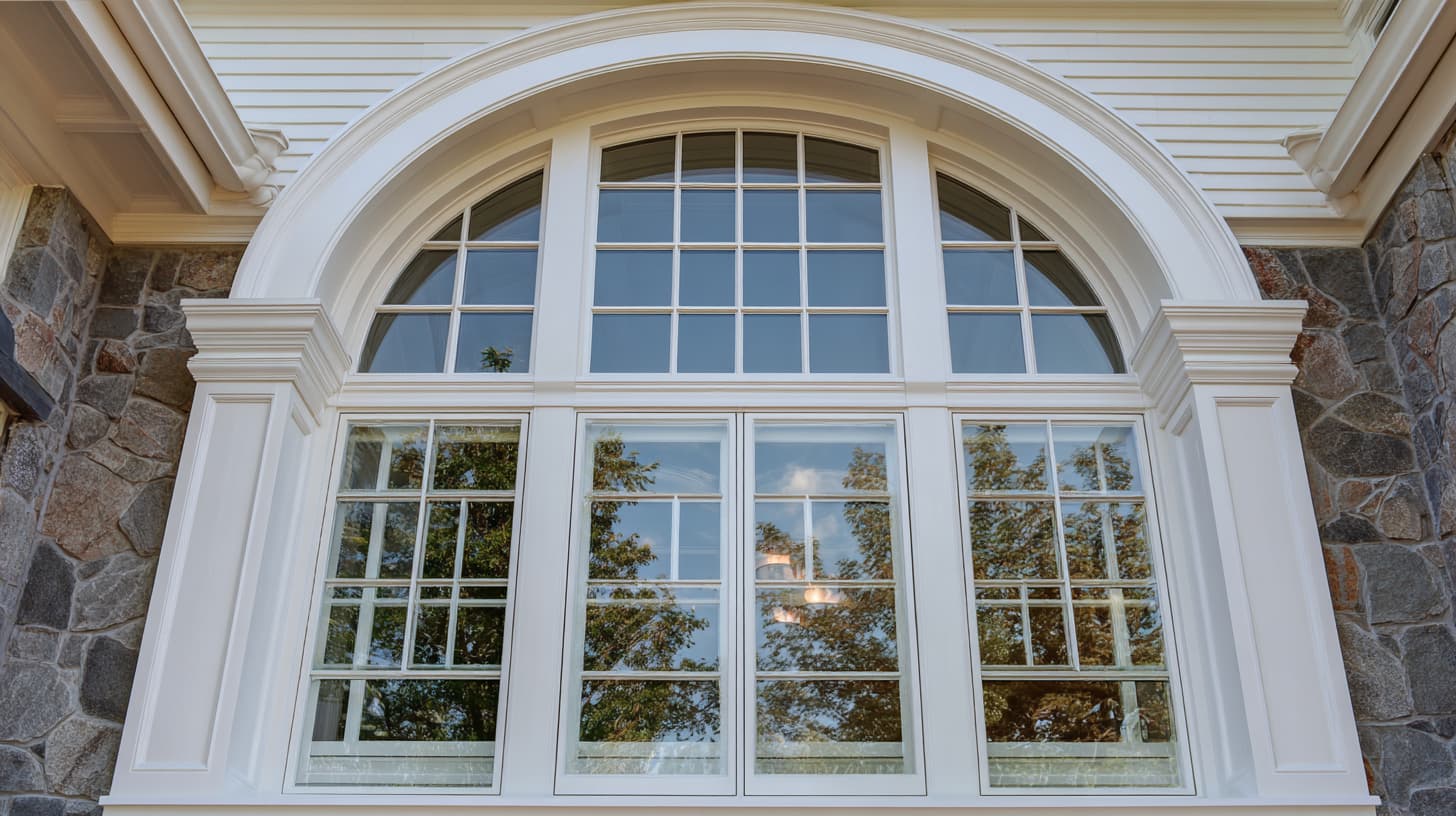
Transom windows come in plenty of standard sizes that work for most homes and entryways in the U.S. If you’re looking for a straightforward option, most builders and suppliers stick to common measurements that balance light, privacy, and style.
1. Typical Height and Width Ranges
- Heights: Most standard transom windows range from 10 to 18 inches high—just enough to let in light above doors or windows without compromising privacy.
- Widths: Widths are usually designed to match the doorway or window below, with common ranges from 24 to 72 inches wide. Wider transoms above double doors or long banks of windows are also popular.
2. Common Shapes and Dimension Variations
- Rectangular: The go-to shape, with sizing that lines up with doors and windows for a clean look.
- Half-round/Elliptical: Often found above arched entries, standard half-rounds have a height of about 10-16 inches and widths from 24 inches up.
- Square: Smaller rooms or single doors may use square transoms for a decorative touch, typically around 12 x 12 inches.
3. Industry Standards and Guidelines
Most window brands follow standard architectural window dimensions and building code requirements. In the U.S., you’ll find transom windows fit:
- Above 80-inch doors with matching width and proper head clearance.
- Dimensions that allow for easy installation and safe framing, using typical rough opening guides from major window manufacturers.
4. Examples of Standard Transom Window Sizes
Below is a quick view of popular transom window measurements commonly used across homes:
| Shape | Height (inches) | Width (inches) |
|---|---|---|
| Rectangular | 12 | 36, 48, 60 |
| Half-Round | 14 | 36, 48 |
| Square | 12 | 12 |
Custom Transom Window Dimensions
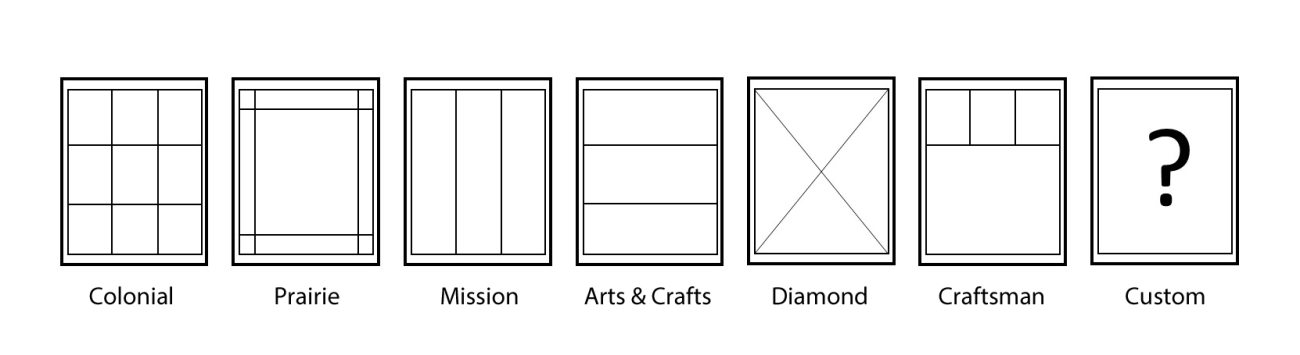
If you have unique spaces or want a specific look, custom transom window dimensions might be your best bet. Custom sizing allows you to match existing architectural elements, fill unusual spaces, or create your own style.
1. When and Why Go Custom ?
- Odd-sized doorways or windows below
- Matching historical or non-standard architectural details
- Wanting a specific decorative window size or unique design
- Optimizing light and ventilation in a specific room
2. What Impacts Custom Transom Window Dimensions ?
Several factors will steer your choices:
- Wall width and opening size: Measure the area; not every space fits standard transom window measurements.
- Door or window pairing: Door height and width below the transom affect the ideal transom window size.
- Frame and trim style: Some frame profiles need more room; modern designs can be slimmer.
- Glass or panel type: Adding decorative details or thicker glass changes overall dimensions.
- Local building codes: Some UAE regions set minimums and maximums for window openings.
3. Why Custom Transom Window Dimensions Work ?
- Perfect fit for non-standard spaces
- Total control over height, width, and window design
- Seamless style with historic or modern homes
- Flexible options for better daylight or airflow
4. Planning and Fabrication Support
- Most window suppliers will walk you through how to measure transom windows and help plan your order.
- Fabricators can give technical drawings and double-check measurements before making your custom window.
- It’s smart to use a pro installer for tricky openings, but DIYers can work from precise measurements.
For those wanting insight on more sizing options, see this standard door and window sizes guide for a quick comparison of off-the-shelf versus custom sizes.
5. Quick Table: Custom Transom Window Sizing Factors
| Factor | Impact on Size |
|---|---|
| Wall opening | Limits overall size |
| Door/window below | Matches width/heights |
| Frame/trims | Affects rough opening |
| Glass thickness | Changes frame needed |
| Style/design details | Impacts shape/size |
| Building code | Minimum/maximum size |
How to Measure for Transom Window Dimensions ?
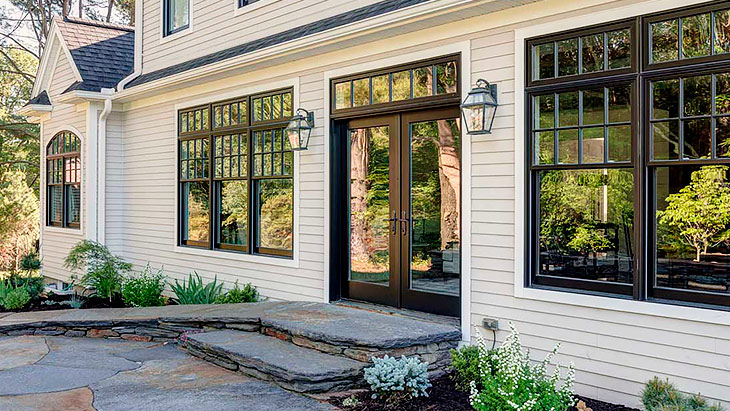
Getting the dimensions right is key for a great fit and clean look with transom windows. Here’s a simple guide to help you measure for transom window dimensions like a pro.
1. Step by Step Guide for Measuring
- Measure the Opening
- Use a tape measure to get the width of the window space at three spots: top, middle, and bottom. Record the smallest number.
- Measure the height on both left and right sides. Write down the shortest length.
- Check Frame Depth
- Measure from the inside edge of the frame to the outside edge. This thickness matters if you’re swapping frames or adding new ones.
- Account for Existing Trim
- If you have casing or trim, decide if it stays. If it does, subtract its thickness from your measured opening so your transom window fits right.
2. Essential Tools for Accurate Measurement
- Sturdy tape measure (at least 25’)
- Level for straight, even lines
- Notepad or smartphone for quick notes
- Pencil to mark reference points
- Ladder (for high spaces)
3. Tips for Height, Width, and Frame Fitting
- Double-check every measurement—accuracy saves headaches down the road.
- If you’re installing above a door, match the width exactly to the door frame for a seamless look.
- For arched or decorative transom shapes, measure both the widest and tallest points.
- Leave a small gap (usually 1/4” on all sides) for shims and insulation.
4. Frame Thickness and Mounting Space Considerations
- Know your wall’s thickness and existing frame style, especially if you’re pairing your transom with aluminum windows and doors.
- Make sure there’s enough depth for the full window and frame—crowded installs can prevent the window from sitting flush.
- Plan for any insulation or weatherstripping if energy efficiency matters to you.
Want more details on transom window measurements or other window types? Check out our standard door and window sizes overview for more tips.
How Transom Window Dimensions Impact ?
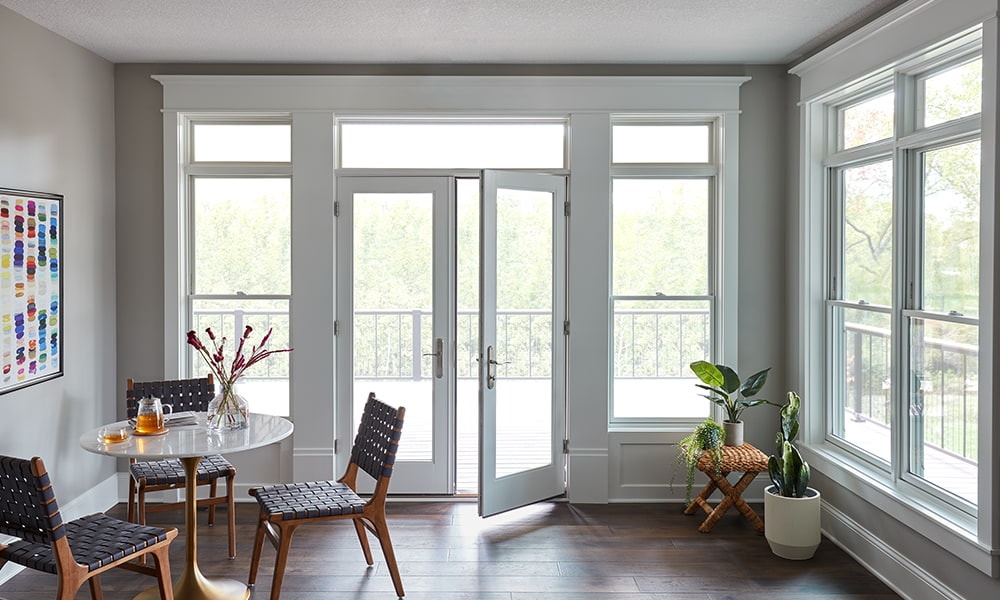
1. Light and Ventilation
The size of your transom window sets the tone for how much natural light and airflow reach your space. Larger transom window dimensions allow daylight to flood in, helping rooms feel open and bright. Small transom window dimensions still offer a decorative touch and let in some light, but they won’t boost brightness as much. If ventilation is your priority, choose operable transom window designs in larger sizes to let fresh air move through your home.
2. Energy Efficiency and Heat Transfer
Transom window height and width can influence your home’s energy performance. Big transom windows can raise heat gain in summer or heat loss in winter, especially if you live in regions with extreme temperatures. Opting for insulated glass and framing solutions helps reduce heat transfer. Standard window sizes often come with energy-efficient options, but custom transom window dimensions might need extra planning.
3. Style and Architectural Harmony
The look and feel of a space relies on matching transom window measurements to the room’s design. Oversized transom windows create a bold accent, while slim ones add a touch of elegance above doors or other windows. Getting the proportions right keeps the overall architectural window dimensions consistent with your home’s style. Pairing transoms with standard window sizes or decorative window sizes below helps create a seamless look.
4. Building Code Regulations
Local building codes may affect transom window design, especially when safety glass, fire-rated assemblies, ventilation, or structural framing is involved. Always check local requirements before ordering custom sizes.
Popular Transom Window Dimension Examples
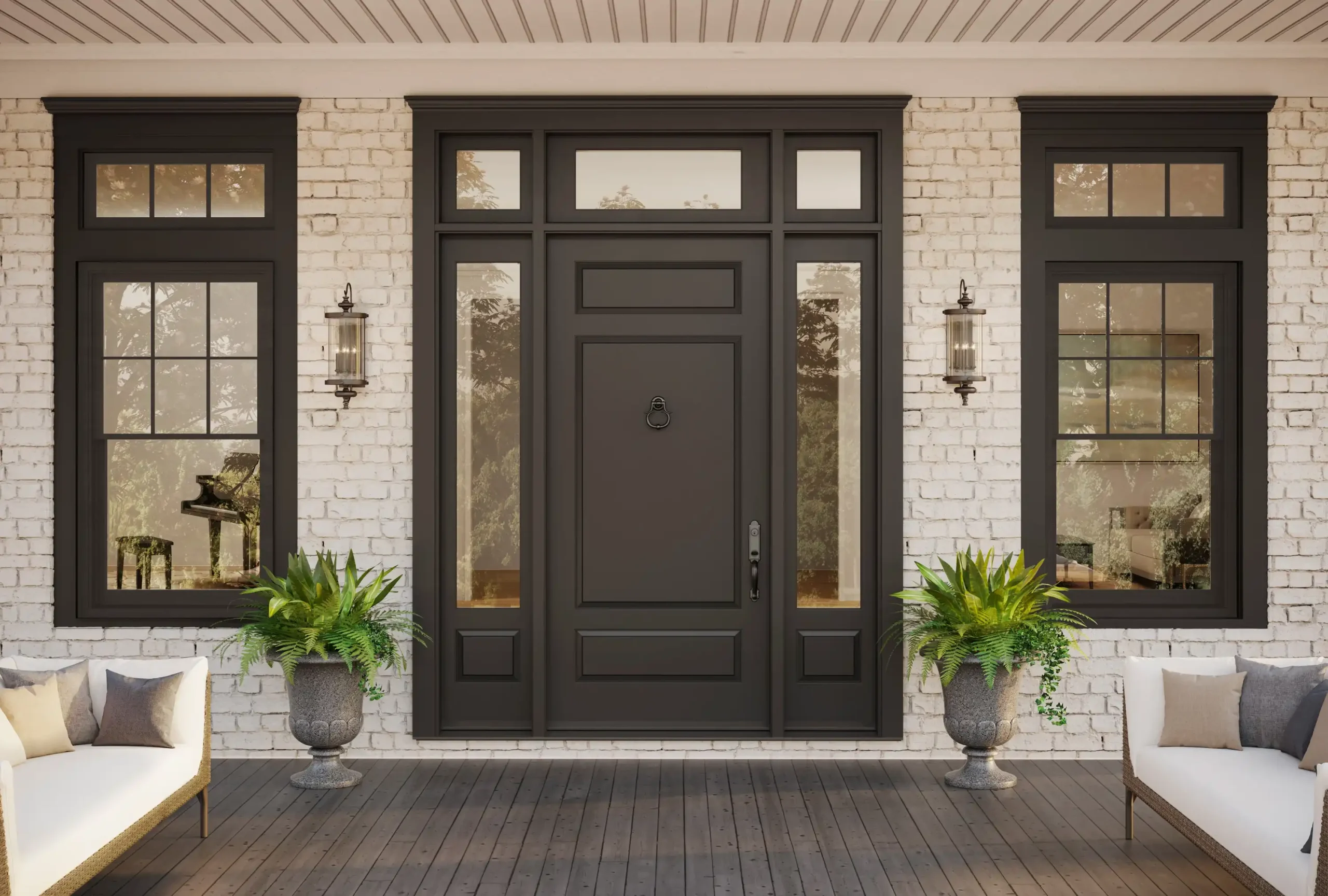
1. Popular Dimension Sets Used in Homes
Here are some common transom window measurements you’ll see across homes in the UAE:
- 24” wide x 12” high: Great over smaller doors and for tight halls.
- 36” wide x 12” high: Fits well above standard doors, letting in extra light.
- 48” wide x 12” high: Popular across double doors or wide entryways.
- 18” wide x 8” high: Used for decorative touches in bathrooms or closets.
- 72” wide x 14” high: A dramatic option, often used across large living room or patio doors.
These standard window sizes make shopping and replacing easier, and most major brands in the UAE carry stock versions.
2. Real Life Installation Examples
- Above the Front Door:
Many homeowners in the Midwest go for a 36 x 12 inch rectangular transom to brighten a darker foyer without losing privacy. - In Historic Homes:
In older New England homes, small arched transoms, about 24 x 10 inches, show up above doors to keep the classic feel. - Pairing with Sliding Doors:
Modern ranch homes in the Southwest often use a row of 48 x 14 inch transoms above patio sliders to boost natural light in open living spaces.
3. Customer Stories Highlighting Dimension Choices
- “We wanted a unique look for our Craftsman home. Ended up with a custom 60 x 16 inch eyebrow transom over our double entry—now the sunlight pours in every morning.” — Sarah, Asheville, NC
- “Swapped our old transom for a 36 x 12 inch unit with frosted glass above my office door. Light flows but I still have privacy when I’m working.” — Jim, Denver, CO
- “Our builder recommended three 18 x 8 inch transoms over our kitchen windows. They really brightened the whole area.” — Dylan, Dallas, TX
These real-world examples show how picking the right transom window dimensions delivers both function and style, suited to specific needs and architecture.
Tips for Choosing the Right Transom Window Dimensions
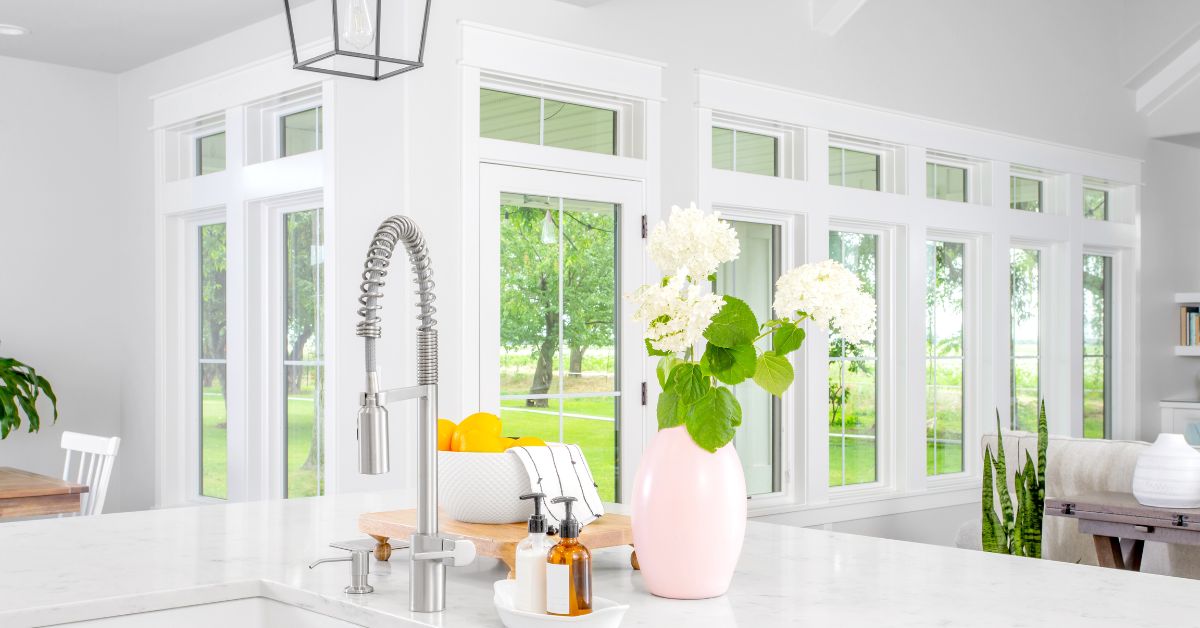
1. Think About Room Function and Lighting
- Figure out what the space needs. For example, more height means more daylight for a hallway or living room.
- Bedrooms or bathrooms might call for smaller transom window dimensions for privacy.
2. Match with Other Windows and Doors
- Keep the width of your transom window close to what’s below it (like your front door or main window) for a natural look.
- Lining up the frame thickness keeps everything looking clean and intentional.
3. Factor in Your Local Climate
- In cool climates, bigger transom window sizes bring in welcome sunlight.
- If you’re somewhere hot, smaller transom windows reduce heat but keep ventilation.
- Insulated or energy-efficient glass options help manage comfort and bills.
4. Talk to Window Dimension Experts
- Local pros know the standard window sizes and building codes in your state.
- They can give suggestions for custom transom window dimensions and check your measurements.
5. Quick Checklist for Choosing Transom Window Measurements
- Purpose of the room
- Current lighting/ventilation
- Style match with existing windows or doors
- Climate needs
- Professional consultation for sizing and code
Getting transom window dimensions right adds style and function to your space.
Installation Considerations Related to Transom Window Dimensions
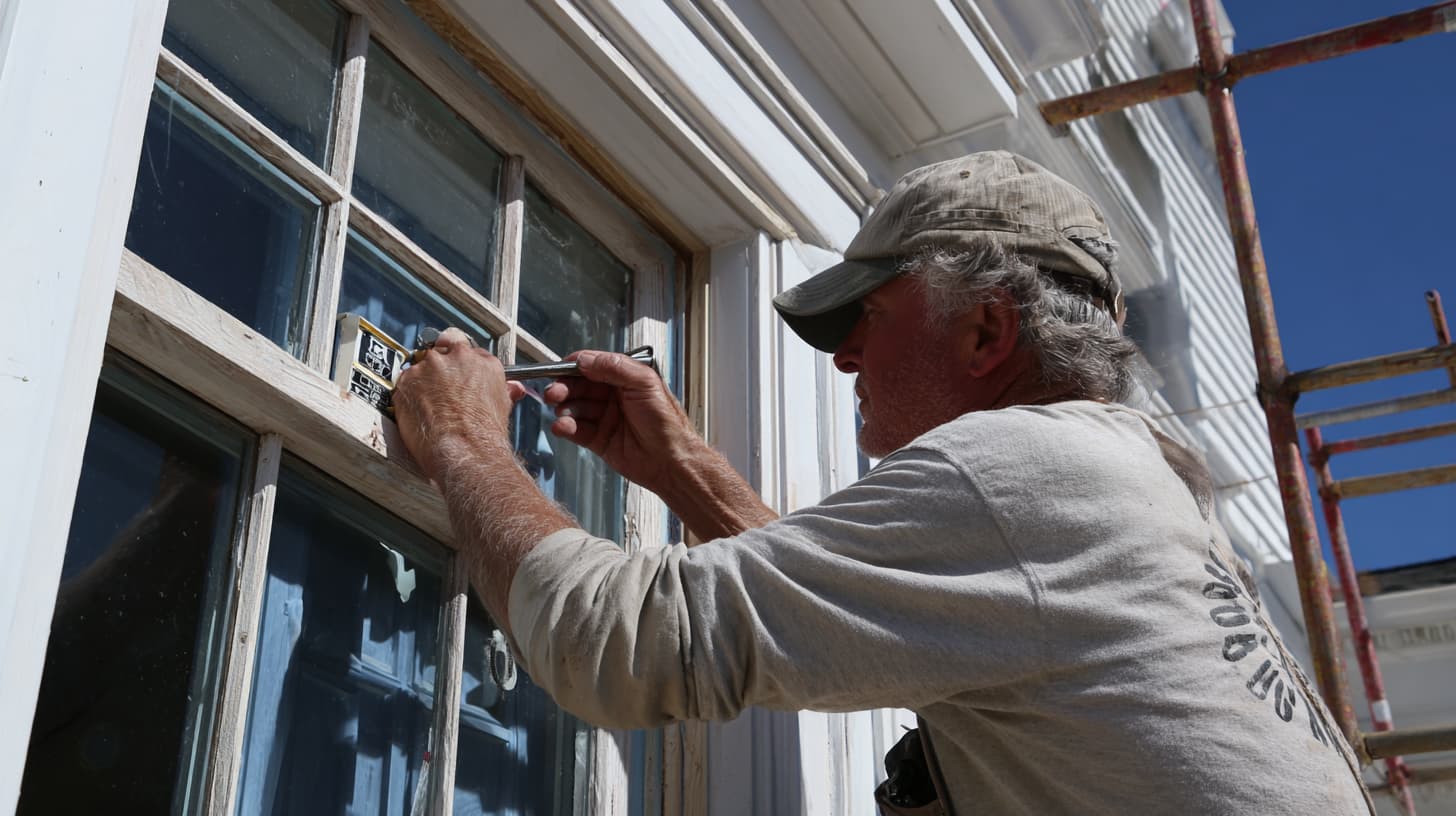
1. How Transom Window Dimensions Impact Installation Complexity and Cost ?
Transom window dimensions play a big role in how tricky—or easy—installation gets. If you go with a standard size, most installers can handle it quickly since those windows fit right into typical wall framing. Standard transom window sizes also let you use off-the-shelf frames and glass, helping you save on labor and material costs.
Custom transom window dimensions, on the other hand, often mean extra steps. Unusual heights or widths may require custom framing, extra trim work, or even load-bearing changes. This can push up both the time and cost of installation.
2. What affects installation challenges and costs?
- Larger or extra-wide windows may need extra structural support.
- Non-rectangular shapes (like arches or circles) add to framing and finishing work.
- Thicker or insulated glass options may require special handling and mounting hardware.
3. Pre Installation Measurements for Accurate Fitting
Getting the size right before you start is key to a hassle-free install. Always double-check the window opening and wall space, not just the existing frame.
Tips for measuring:
- Use a good-quality tape measure and level.
- Measure the width at the top, middle, and bottom of the opening—go with the smallest number.
- Measure the height at both sides and in the center—again, use the smallest.
- Don’t forget to check frame thickness and any trim or molding in the way.
These careful measurements keep surprises to a minimum and reduce the risk of costly mistakes.
4. Professional Installation or DIY
Whether you install your transom window yourself or hire a pro depends on your comfort level and the size and shape of the window.
- Standard, small transom window sizes: Some homeowners take these on as DIY projects, especially if they’re just swapping out old glass.
- Large, custom, or oddly-shaped transom windows: A professional installer is almost always a safer and faster bet. They’ll know how to handle unique frames, insulation, and local building codes.
Most companies offer free estimates, so you can compare installation costs before making a decision. If you’re customizing your transom window dimensions, always ask your installer about the best practices for your chosen size and shape.


