
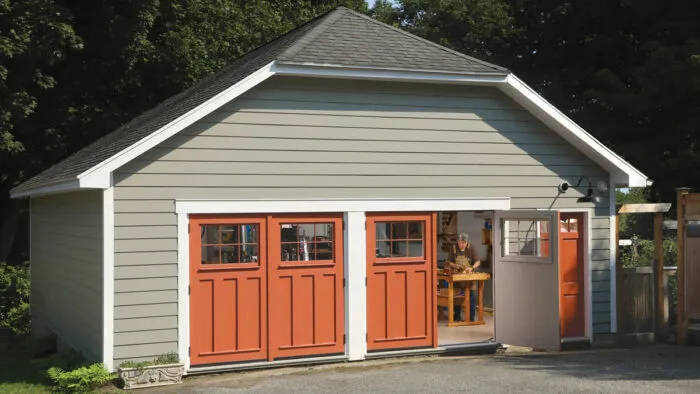
When choosing a garage door for your modern home, getting the right garage door size is crucial. Even though garage openings and structures vary widely, there are standard sizes that are most commonly used in the industry. This guide will walk you through the most common sizes, how to measure for your new door, and tips to help you make the best decision for your garage.
Common Garage Door Sizes
Here are the most popular sizes for residential garage doors based on industry standards:
- Single-Car Garage Doors
Width: Most common sizes are 8 feet (2.44 meters) or 9 feet (2.74 meters).
Height: Usually 7 feet (2.13 meters), but 8 feet (2.44 meters) or more is also available for taller doors. - Double-Car Garage Doors
Width: Typically 16 feet (4.88 meters), but 18 feet or wider options are also available.
Height: Usually 7 feet, but 8 feet is also popular for higher ceilings.
These “standard sizes” are widely used but not the only options. If your garage has unique needs, you can find custom sizes as well, including options for larger vehicles like trucks or RVs. For example, doors can go as wide as 10 feet or more, and heights can range from 8 feet to 10 feet, depending on your needs.
How to Measure Your Garage Door Opening ?
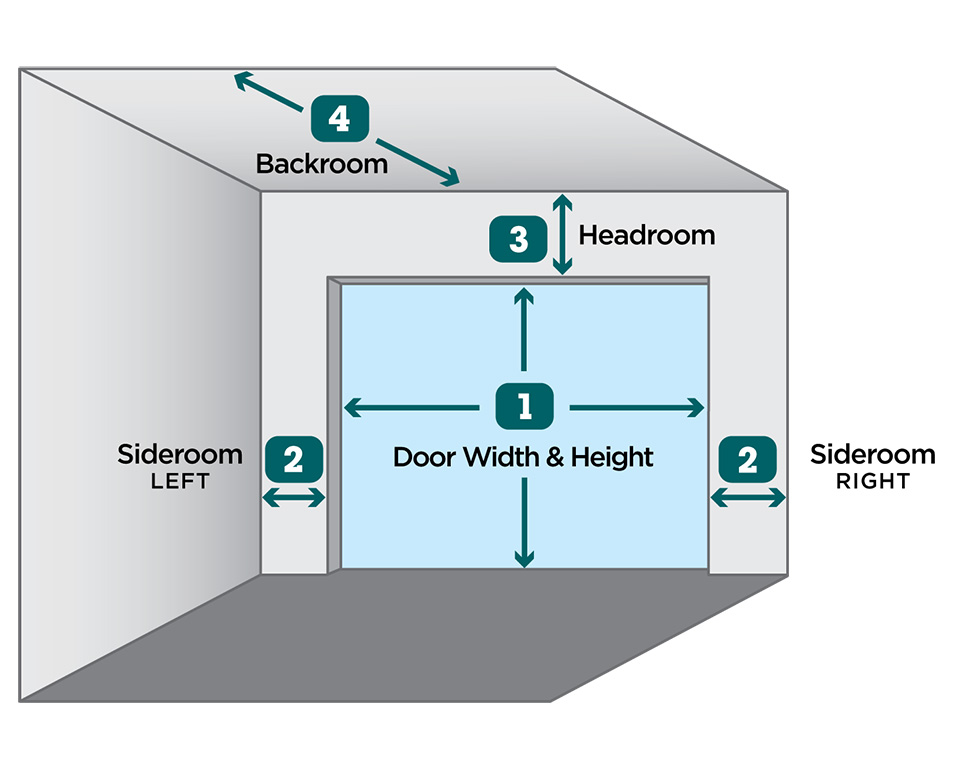
To make sure your new garage door fits, it’s important to measure your garage opening correctly. Here’s a step-by-step guide to getting the right dimensions:
1. Measure the Width and Height
Measure the width from one side of the opening to the other (not including any trim or weather seals).
Measure the height from the floor to the top of the opening.
These measurements will give you the basic size options for the door.
2. Check the Headroom
This is the space from the top of the door opening to the ceiling or any obstruction above.
Make sure there is enough headroom for the tracks and door mechanism to fit.
Manufacturers usually recommend at least 10-12 inches of headroom for the door to open smoothly.
3. Measure the Sideroom
This is the space between the sides of the door opening and the walls.
You need enough room for the track and the door mechanism on either side.
At least 3 to 4 inches of space on each side is usually recommended.
4. Check the Backroom
This is the space inside the garage needed for the door to open fully, especially for overhead and track systems.
Make sure there’s enough depth for the door to clear the ceiling or any other obstructions inside.
5. Add Extra Width or Height if Needed
When measuring the width, consider adding 1-2 inches for a better seal and overlap.
If you’re planning for larger vehicles (like an SUV or truck) or future needs, it’s a good idea to go for a wider door.
Choosing the Right Size: Function Meets Style
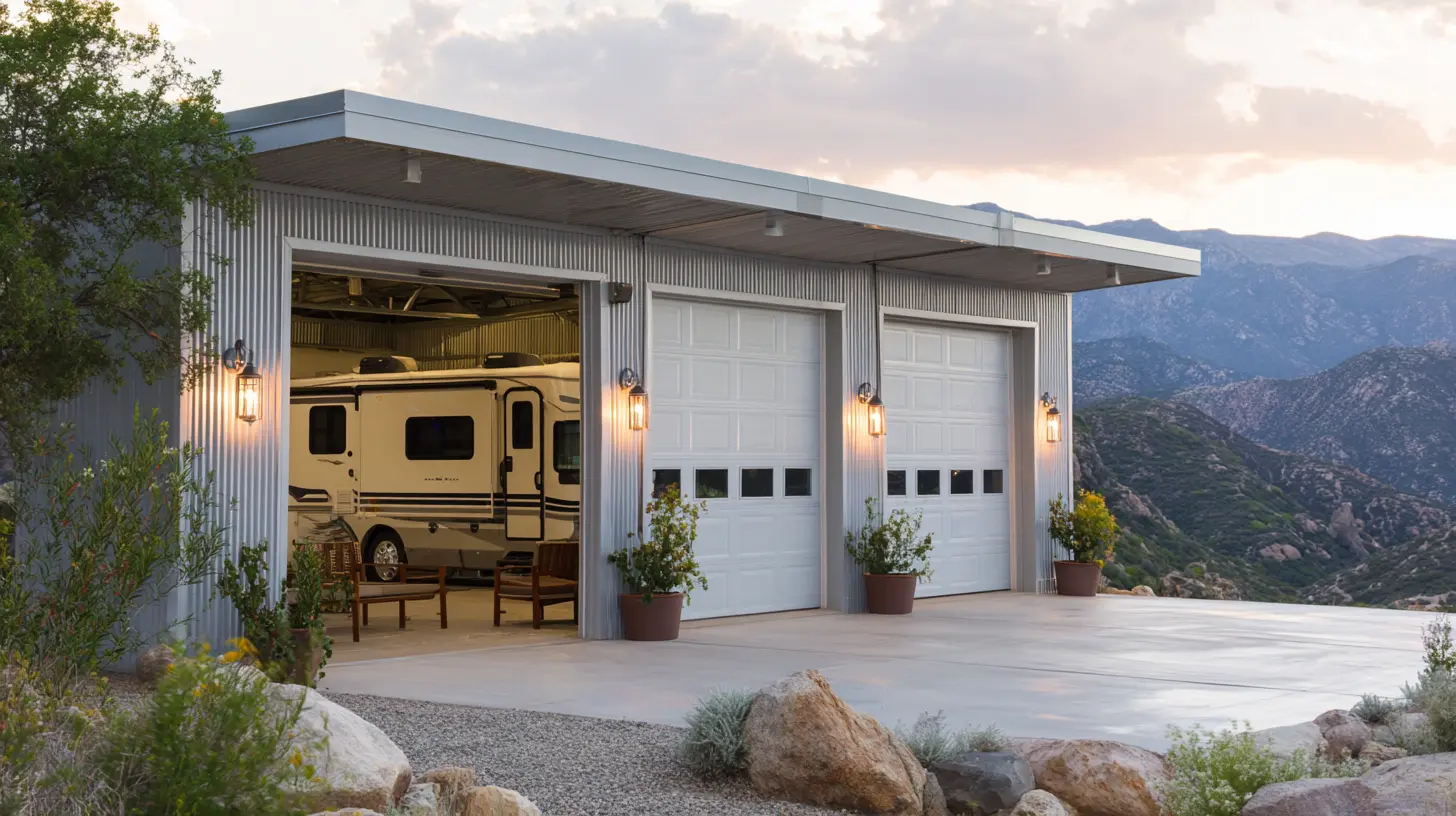
When selecting the size of your garage door, consider the following factors:
1.Vehicle Type and Future Needs
If you only park a standard sedan, a typical 8×7 single-car door should work.
For larger vehicles like SUVs, trucks, or if you plan to upgrade in the future, you might want to go with a 9×7 or 10×8 door.
For a double-car garage, if you have larger vehicles, think about going with a 16×7 or even an 18×8 door to ensure there’s plenty of space to park comfortably.
2.Garage Aesthetics
Make sure the door size complements the overall look of your home. A door that’s too small can feel cramped, while one that’s too large may throw off the balance of the garage’s exterior.
Some homeowners prefer two single doors instead of one big double door to improve symmetry and add visual appeal.
3.Energy Efficiency and Cost Control
Smaller doors tend to be more energy-efficient because they reduce the amount of air that escapes when the door is open.
Standard-sized doors usually cost less and are easier to find, while custom-sized doors may come at a higher price and take longer to deliver.
4.Installation and Maintenance Convenience
Standard-size doors are more widely available, and finding parts for repairs is easier.
Custom doors, while great for specific needs, may require special components, making installation and repairs more complicated.
Wrapping Up
Choosing the right garage door size isn’t just about fitting it into the opening—it’s about considering your vehicle, future needs, garage layout, and overall aesthetic. Here’s a quick checklist to help you decide:- Measure your garage opening carefully for width, height, headroom, and sideroom.
- Think about your current and future vehicles and whether you’ll need a larger door later.
- Keep your garage’s exterior balance in mind—proportions matter.
- Consider energy efficiency, cost, and ease of installation before finalizing your choice.
Conclusion
Choosing the right arage door size starts with accurate measurements and a clear understanding of your garage layout, vehicle needs, and future use. Standard sizes such as 8×7, 9×7, and 16×7 feet work for many homes, while larger vehicles, wider driveways, or custom garage designs may require a tailored solution.
Before making a final decision, check the opening width and height, headroom, sideroom, and backroom carefully. Also consider the door’s appearance, energy efficiency, installation requirements, and long-term maintenance. With the right size and proper planning, your garage door can improve daily convenience, enhance curb appeal, and fit your home’s design for years to come.
FAQ 1: What is the standard size for a residential garage door?
The typical standard size for a single residential garage door is 8 feet wide by 7 feet high, while double garage doors usually measure 16 feet wide by 7 feet high.
FAQ 2: How do I know if my garage door size is standard or custom?
To determine if your garage door size is standard, compare your dimensions with common sizes listed in the size chart. If your measurements don’t match, you may need a custom door.
FAQ 3: What is the best size for a two-car garage door?
For a two-car garage, a common size is 16 feet wide by 7 feet high. However, if you have larger vehicles, you might want to opt for a 18 feet wide door.
FAQ 4: Can I order a garage door in a size that is not on the chart?
Yes, many manufacturers offer custom sizes. If your garage dimensions are unique, you can consult with a professional to order a door that fits perfectly.
FAQ 5: Do I need to consider headroom and side room when choosing a garage door size?
Absolutely! When selecting a garage door, it’s important to check the available headroom and side room in your garage, as these will affect the door’s installation and functionality.
