How to choose custom cabinets panels?

Understanding Cabinet Panels – The Building Blocks of Custom Design
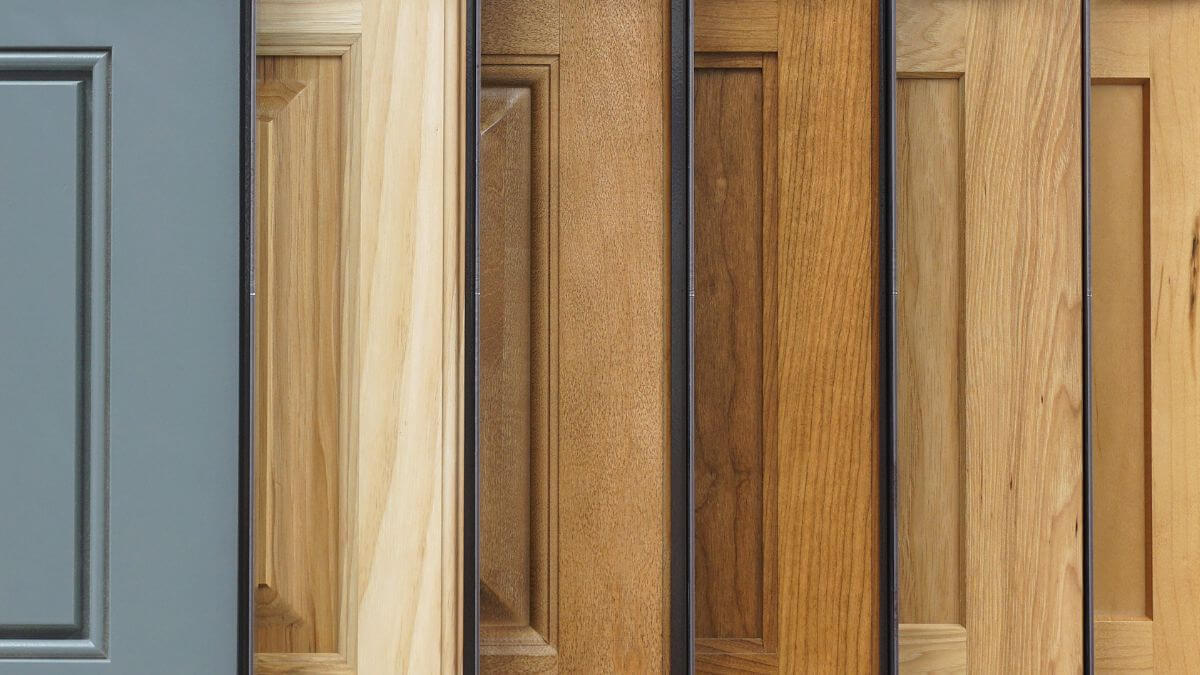
choose custom cabinets panels:A selection of different kitchen cabinet door panels with varying colors and wood finishes, showcasing a range of design styles.

When choosing custom cabinets panels, it helps to know the key types involved. End panels are the exposed sides of your cabinets, visible when placed against walls or beside appliances. They set the tone for your kitchen’s overall look. Door panels come in different styles—raised, flat (also called slab), or recessed—each offering a unique aesthetic from traditional to modern. Don’t forget back panels, which provide structure behind the cabinets and often stay hidden but are essential for durability. Then there are specialty panels, like overlays designed for dishwashers or refrigerators, enabling seamless appliance integration that looks sleek and intentional.

How do these panels matter in custom cabinetry compared to stock? Custom panels give you full control over size, finish, and fit, making it easier to match your unique kitchen layout. That personalization avoids common sizing issues found in stock cabinets and lets you blend finishes for a truly bespoke feel.

One common myth is that thicker panels always mean better quality. But thickness isn’t everything. It’s about the right material and construction. For instance, a 3/4-inch plywood panel with a hardwood veneer can outperform thicker solid wood that isn’t properly treated or constructed.

Here’s a quick look at where these panels fit in a kitchen setup:

Panel TypeLocationPurpose
End PanelsCabinet sides exposedFinishes visible edges
Door PanelsCabinet doorsDefines style and function
Back PanelsCabinet backsAdds support and stability
Specialty PanelsAppliance overlaysSeamless appliance integration

Understanding these basics helps you make smart choices that fit your design goals and daily needs. Ready to dive deeper into materials? Let’s explore the best fits for custom cabinet panels next.


Top Materials for Custom Cabinet Panels – Pros, Cons, and Best Fits

Best Panels for Custom Cabinets Materials Choosing the right material for your custom kitchen cabinet panels is key, especially for homes in Pennsylvania where humidity can be a challenge. Here’s a quick look at the top panel materials, their pros and cons, and where they work best.

Solid Hardwood Panels

  • Oak: Durable with a pronounced grain. Hardness is high, suited for traditional looks. Handles wear well.
  • Maple: Smooth grain, lighter color, and slightly softer than oak. Great for painted or stained finishes.
  • Cherry: Rich color that deepens with age. Medium hardness, offers a luxurious feel.

Engineered Panels

  • Plywood: Stable and strong. Resists warping better than MDF or particleboard. Cost-effective and great for structural parts like back panels.
  • MDF: Smooth surface, perfect for painted doors. Budget-friendly but can swell if exposed to moisture—less ideal for humid areas without proper sealing.

Veneers and Hybrid Panels

  • Thin hardwood layers glued over plywood combine beauty and stability. Avoid particleboard cores in humid environments—it’s prone to damage.
  • Good for overlay panels on appliances like dishwashers or fridges.

Material Comparison Table

Material Durability Cost Maintenance Ideal Use
Oak Very High High Low with sealing Doors, end panels, traditional
Maple High Medium-High Moderate Painted/stained doors
Cherry Medium-High High Moderate Luxury-style cabinets
Plywood High Medium Low Back panels, framing
MDF Medium Low High (seal well) Painted flat panels
Veneer (ply) Medium-High Medium-High Moderate Decorative panels, overlays
Pro tip: In Dubai’s often humid climate, sealing wood panels is a must to avoid warping or swelling. Use moisture-resistant finishes, especially on MDF and hardwood. This quick guide should help you pick the best custom kitchen cabinet materials based on your style, budget, and local conditions.

Panel Styles and Designs – Matching Your Home’s Aesthetic

Choosing the right panel style is key to making your custom cabinets fit perfectly with your home’s look. For a timeless, classic feel, Shaker and raised panel doors are go-to options. Shaker style offers clean, simple lines that work well in traditional or farmhouse kitchens, while raised panel doors add a bit of depth and elegance without overwhelming the space.

If you’re leaning toward a sleek, modern vibe, slab or flat panels are your best bet. These panels keep things minimal and smooth, great for open layouts or contemporary interiors. Another option is beadboard panels, which add texture and charm—especially in casual or coastal-inspired kitchens—but they do require a bit more upkeep since dust can settle in the grooves.

For a touch of luxury, consider decorative accents like glass-front panels or furniture-style moldings. Glass doors open up the space and let you display your dinnerware, while detailed mouldings bring a custom, high-end feel that pairs well with upscale designs.

In Pennsylvania homes, we’ve seen plenty of gorgeous installs where mixing styles adds unique personality—like combining shaker doors with glass inserts in the dining room. As we head into 2025, the trend is moving toward mixed materials and eco-friendly designs, blending wood, metal, and recycled composites. This shift not only looks fresh but also supports sustainability.

Here’s a quick overview:

  • Shaker & Raised Panels: Classic, versatile, traditional look
  • Slab/Flat Panels: Clean, modern, minimal maintenance
  • Beadboard: Cozy, textured, casual style with some upkeep
  • Glass-front & Mouldings: Luxurious, decorative, opens visual space
  • Trends for 2025: Mixed materials, eco-friendly options gaining popularity

If you want to see real examples from PA Home, many local installers showcase work that fits a range of styles and room types—perfect for sparking ideas tailored to your space.


Key Factors to Consider When Choosing Panels for Custom Cabinets

When picking panels for your custom cabinets, there are a few big things to keep in mind to get the best fit for your home in Pennsylvania.

Durability and Construction Basics

  • Thickness matters, but don’t assume thicker is always better. Look for panels that use quality plywood for added strength and stability instead of solid wood end panels alone.
  • Integrated panels (built into the frame) tend to last longer and offer a smoother finish than applied panels that are added later.
  • Choose materials resistant to swelling or warping, especially since PA’s humidity can be rough on cabinet backs and sides.

Budget Breakdown

  • Entry-level panels like MDF or lower-grade plywood can save money but may need more care.
  • Premium materials such as hardwood or plywood with hardwood veneers last longer and look great, offering better ROI in the long run.
  • Keep in mind the balance—sometimes investing upfront cuts repairs or replacements down the road.

Functionality

  • Consider moisture resistance, especially near sinks or dishwashers. Plywood and sealed hardwood are good here.
  • Panels need to fit with features like soft-close doors and drawers or appliance overlays, so confirm compatibility before choosing.
  • End panels near appliances should allow for venting or heat expansion.

Sustainability

  • Look for FSC-certified woods and low-VOC finishes to keep indoor air healthy.
  • Eco-friendly options don’t have to cost more and add value if you care about green building.

Our PA Home Insights

  • Our climate calls for panels well sealed against humidity and temperature swings.
  • Pick styles that match Pennsylvania homes—traditional shaker doors and raised panels are common, but modern designs fit newer builds well.

Decision Framework: Quick Checklist

  • What’s your budget for materials and finishes?
  • Will the cabinet be near moisture or heat sources?
  • Do you want a classic look or something modern?
  • How much maintenance are you willing to do?
  • Are environmental factors like low VOC important to you?

Thinking through these points helps you get custom cabinet panels that look great, work well, and hold up in PA’s climate.


Installation Essentials – Getting Professional Results at Home
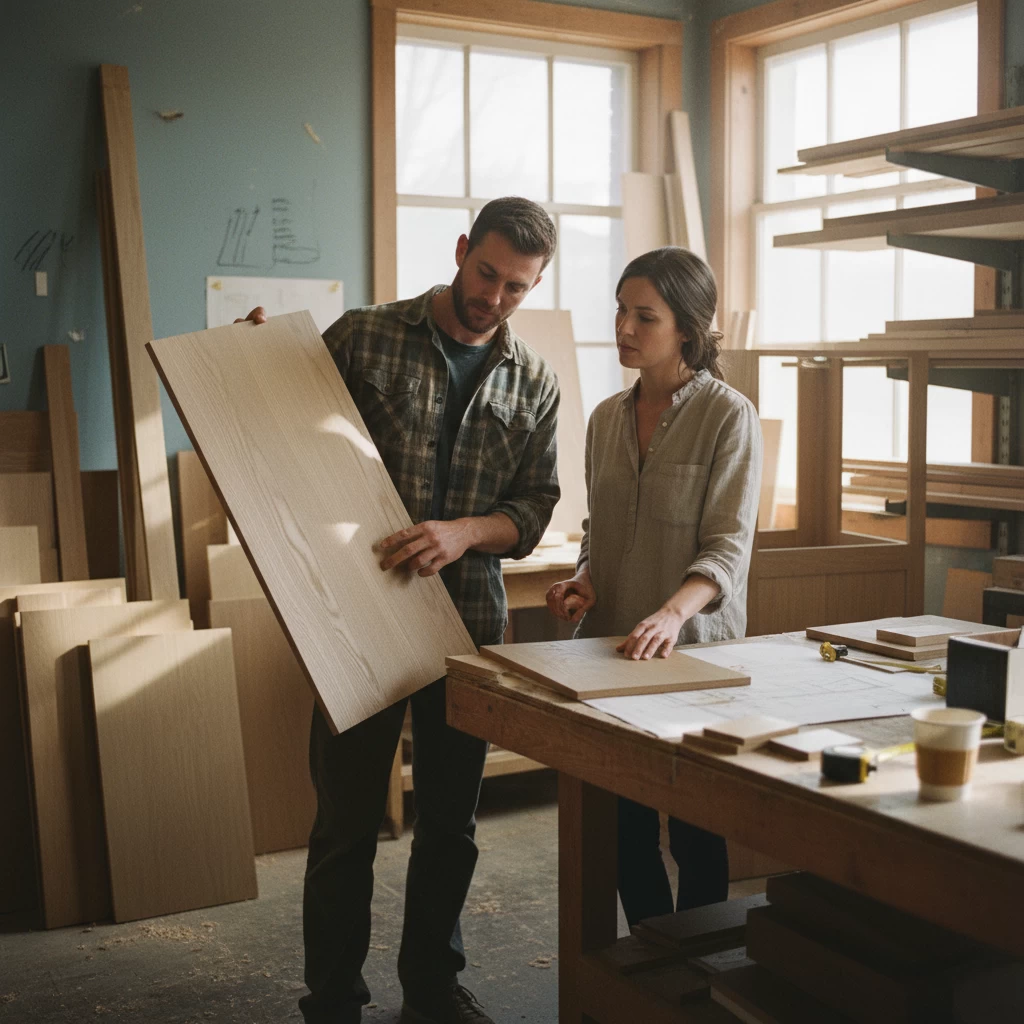
Choosing panels for custom cabinet installation

Installing custom cabinet panels right makes all the difference in your kitchen’s look and durability. Here’s what you need to know to get professional-quality results without the hassle.

Preparation: Measure Carefully and Gather Your Tools

  • Measure twice, cut once. Accurate measurements prevent undersized panels that leave gaps or cause alignment issues.
  • Essential tools include a router, clamps, a level, and a power drill. Having the right tools ensures clean cuts and tight fits.

DIY vs. Professional: When to Hire

  • If you’re handy and comfortable with basic woodworking, installing flat or shaker style panels yourself can save money.
  • But for specialty panels like appliance overlays or raised panel doors, hiring a professional is smart to avoid costly mistakes and ensure a perfect finish.

Common Mistakes to Avoid

  • Undersized panels that show edges or reveal cabinet interiors.
  • Mismatched finishes—make sure door panels, end panels, and back panels have consistent colors and textures for a seamless look.
  • Overlooking moisture protection, especially in humid PA environments, which can cause warping or swelling.

Step-by-Step Installation Guide

  1. Prep the cabinet frame and make sure it’s clean and level.
  2. Dry-fit the panels before attaching to check fit and alignment.
  3. Use clamps and adhesives designed for cabinetry to secure panels without gaps.
  4. Rout edges smooth to avoid splinters and improve the look.
  5. Attach hardware and check function—doors should open and close smoothly.

For detailed instructions and video demos tailored to custom cabinet panels, check trusted woodworking sites or manufacturer tutorials specific to your materials.

Maintenance Roadmap: Keep Panels Looking New

  • Seal wood panels annually to protect against Pennsylvania’s humidity. Use a sealant compatible with your wood or veneer finish.
  • Clean surfaces regularly with mild soap and a soft cloth; avoid harsh chemicals that can damage finishes.
  • Check for loose panels or hardware yearly to catch issues before they worsen.

Following these installation essentials will help you enjoy beautiful, durable custom cabinets that suit your home and lifestyle perfectly.
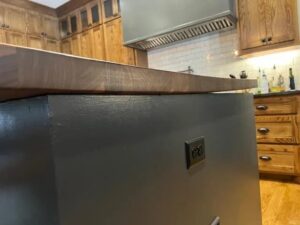
 

PA Home Case Studies – Real Transformations with Smart Panel Choices

Let’s look at three real PA Home where smart panel choices made a big difference.

Case 1: Fighting Humidity with Engineered Panels

Solid wood panel warping due to moisture in kitchen cabinets
Before: Solid wood panel warping due to moisture in kitchen cabinets
high-quality plywood with a hardwood veneer kitchen cabinet
After: high-quality plywood with a hardwood veneer kitchen cabinet

A client in Dubai struggled with warped cabinet doors due to moisture. We switched their solid wood panels to high-quality plywood with a hardwood veneer. This combo resists humidity while keeping that warm, natural wood look. The result? Cabinets that stay straight and beautiful year-round—perfect for Pennsylvania’s changing climate.


Case 2: Upgrading Storage and Style in Abu Dhabi

kitchen cabinet replaced dated particleboard panels with durable MDF door panels
replaced dated particleboard panels with durable MDF door panels

A homeowner wanted more storage and a modern look without breaking the bank. We replaced dated particleboard panels with durable MDF door panels finished in semi-custom paint. The shaker-style doors gave the kitchen a fresh, timeless feel. Bonus: The moisture-resistant MDF helped avoid swelling during Abu Dhabi’s humid summers.

Case 3: Maximizing Flow in a Reading Kitchen
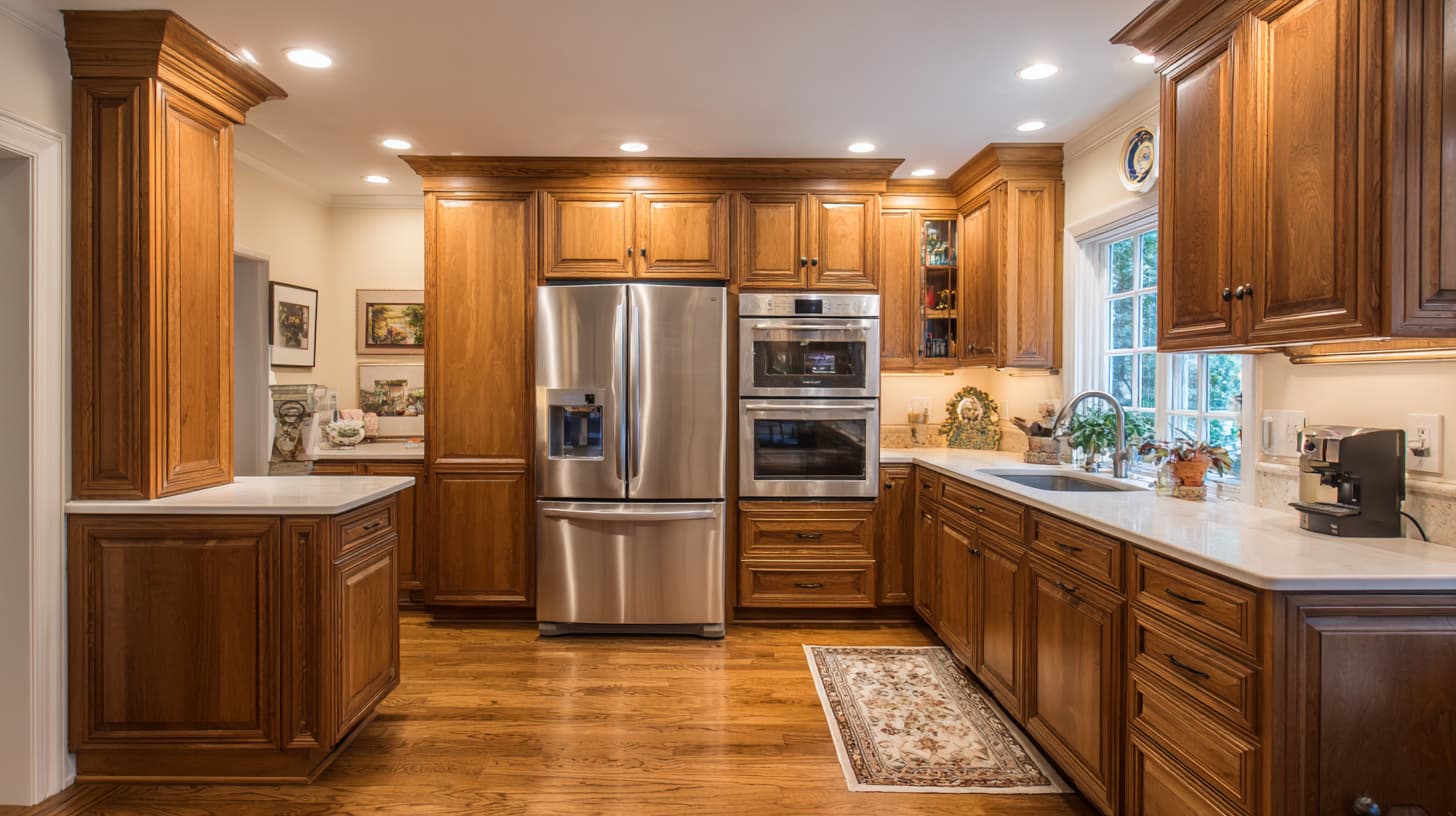
Using solid maple for exposed ends and moisture-proof plywood panels inside, the kitchen feels open and cohesive.

This renovation focused on integrating appliance end panels and matching back panels for a seamless kitchen flow. Using solid maple for exposed ends and moisture-proof plywood panels inside, the kitchen feels open and cohesive. The raised panel doors add a classic touch that boosts resale value.


Conclusion: Make Smart Choices for Lasting, Stylish Cabinets

Choosing the right custom cabinet panels is more than a design decision—it’s an investment in your home’s durability, functionality, and aesthetic appeal. From selecting materials that withstand humidity to matching panel styles with your overall kitchen design, every choice impacts the longevity and look of your cabinets.

Key takeaways include:

  • Material matters: High-quality plywood with hardwood veneers or moisture-resistant MDF ensures cabinets stay straight and beautiful over time.
  • Style and functionality go hand in hand: Shaker, raised, slab, or glass-front panels can create a timeless or modern look while supporting practical needs like appliance integration.
  • Proper installation and maintenance: Accurate measurements, professional installation for specialty panels, and regular sealing keep cabinets performing and looking their best.
  • Eco-conscious choices add value: FSC-certified woods and low-VOC finishes contribute to a healthier home and sustainable design.

By keeping these principles in mind, homeowners can create spaces that are not only visually stunning but also durable, functional, and tailored to their lifestyle. Whether updating a kitchen, designing a new home, or optimizing storage flow, smart panel choices set the foundation for cabinets that last for years while enhancing the home’s overall design harmony.

FAQs

Q1: What types of cabinetry panel materials does PA Home offer, and how do I choose between them?

A: We offer several panel materials — including solid hardwood (like oak, maple, cherry), engineered wood (plywood, MDF), and veneer‑over‑core options. Solid hardwood gives you a classic, premium look and great longevity. Plywood balances cost and durability while resisting warping, ideal for cabinet boxes or humid areas. MDF offers a smooth, consistent surface that’s great for painted doors. Veneer panels give you the wood grain appearance at lower cost and lighter weight. The right choice depends on your style preference, budget, and where the cabinets will be placed.

A: In humid environments — like many areas in the UAE — moisture resistance becomes critical. Plywood and properly sealed/hardened hardwood veneers stand up to humidity better than untreated solid wood or standard MDF. These materials resist warping, swelling, and distortion over time.

A: Yes — custom panels give you full control over dimensions, finishes, and panel type (end panels, door panels, back panels, appliance overlays, etc.). That flexibility means better fit for non‑standard layouts, seamless integration with appliances, and a more cohesive look overall — something stock cabinets rarely achieve.

A: More than just material — think about panel style (slab/flat, raised panel, shaker, beadboard, glass‑front, etc.), moisture protection (especially near sinks or dishwashers), compatibility with hardware like soft‑close hinges or drawers, finish quality (veneer, paint, stain), and maintenance needs. All these factors influence how well the cabinets look and function over time.

A: Absolutely. We provide a range of material samples and finishes so you can feel the texture, compare wood grains, assess paint or veneer finishes — and make informed decisions before finalizing your custom cabinetry. This helps ensure the end result matches your vision and suits your lifestyle.

PA Home LOGO

PA Home

PA Home is a custom cabinetry and whole-house customization brand serving homeowners, contractors, and developers in Dubai and across the UAE. With expertise in kitchen cabinets, wardrobes, vanities, and full-home interior solutions, PA Home provides customized design and manufacturing services, with delivery and installation support available upon request.

Table of Contents
You may also like
pahome-saudi-marketing-center-showroom-open-poster
Top 10 Aluminum Window Manufacturers in UAE with Quality and Innovation
Top 10 Interior Door Manufacturers in the World
Contact Us for Quotes
Whole-House Custom Cabinet Factory & Furniture Expert
PA Home Logo

Whether you’re looking for a fully customized or a refurbished option, we offer you the opportunity to design a style that’s uniquely yours.

Get Your Free Quote