Choosing the right Board materials for whole-house custom cabinetry can feel like navigating a maze. Between the technical jargon of “ENF-grade” and the conflicting advice on “particle board vs. plywood,” homeowners often find themselves paralyzed by choice.
As we move through 2026, the market has shifted. It is no longer just about the cheapest price; it’s about structural longevity, indoor air quality, and aesthetic versatility. In this deep dive, we evaluate the industry’s most popular boards to help you decide which is truly “the best.”
1. The Industry Titan: High-Density Particle Board (Chipboard)
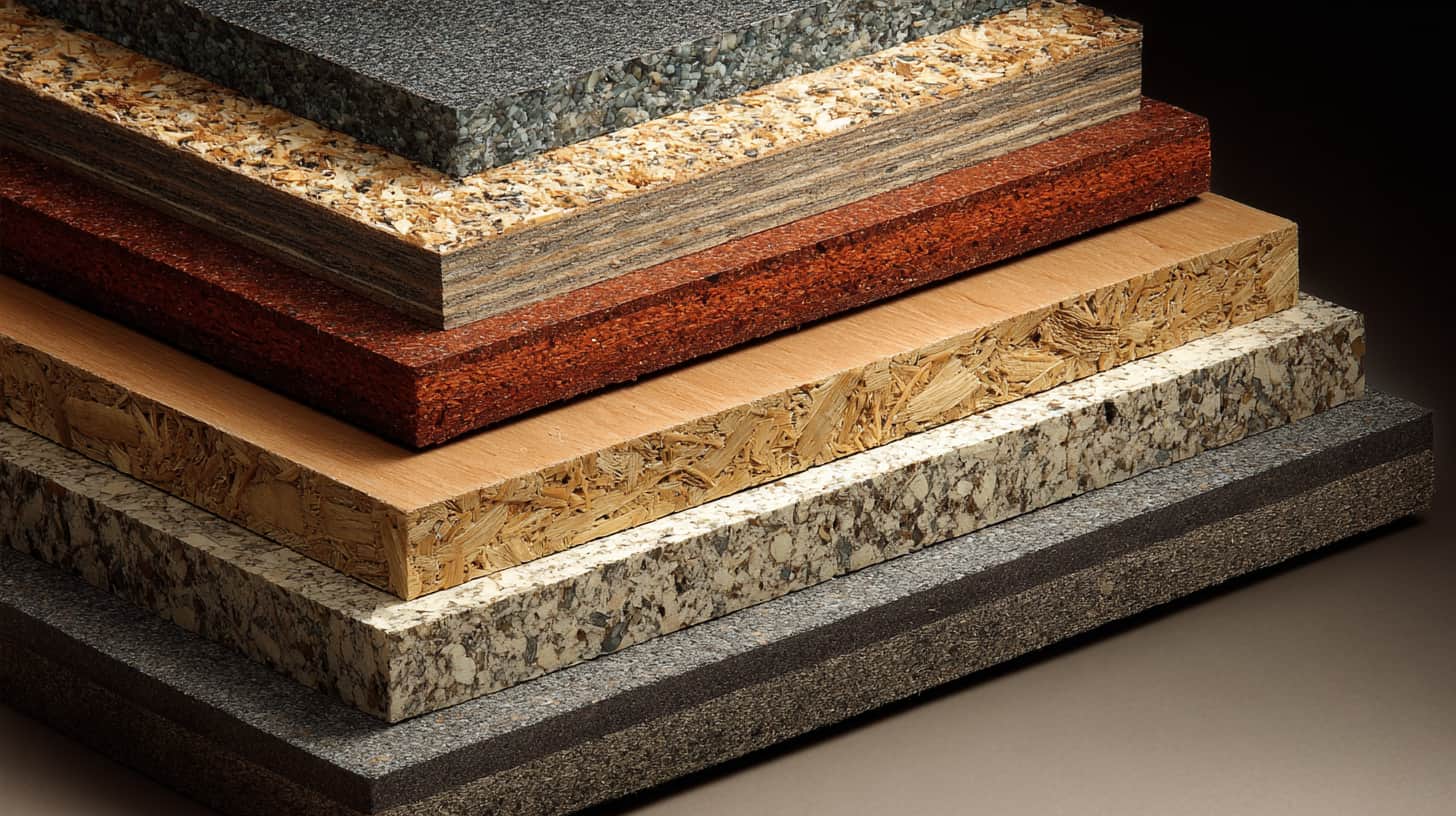
Despite its humble reputation in decades past, High-Density Particle Board remains the global leader in modern kitchen cabinets and wardrobes.
- Why it’s Popular: Its internal structure is uniform, making it incredibly resistant to warping and expansion. For those dreaming of “floor-to-ceiling” minimalist doors, particle board is the safest bet for maintaining a perfectly flat surface.
- Insight: widely used in modern cabinetry because of its stability, flatness, and compatibility with melamine or laminate finishes
- Best For: Wardrobe carcasses and tall cabinet doors in dry areas.
2. The Moisture Warrior: Multi-Layer Plywood
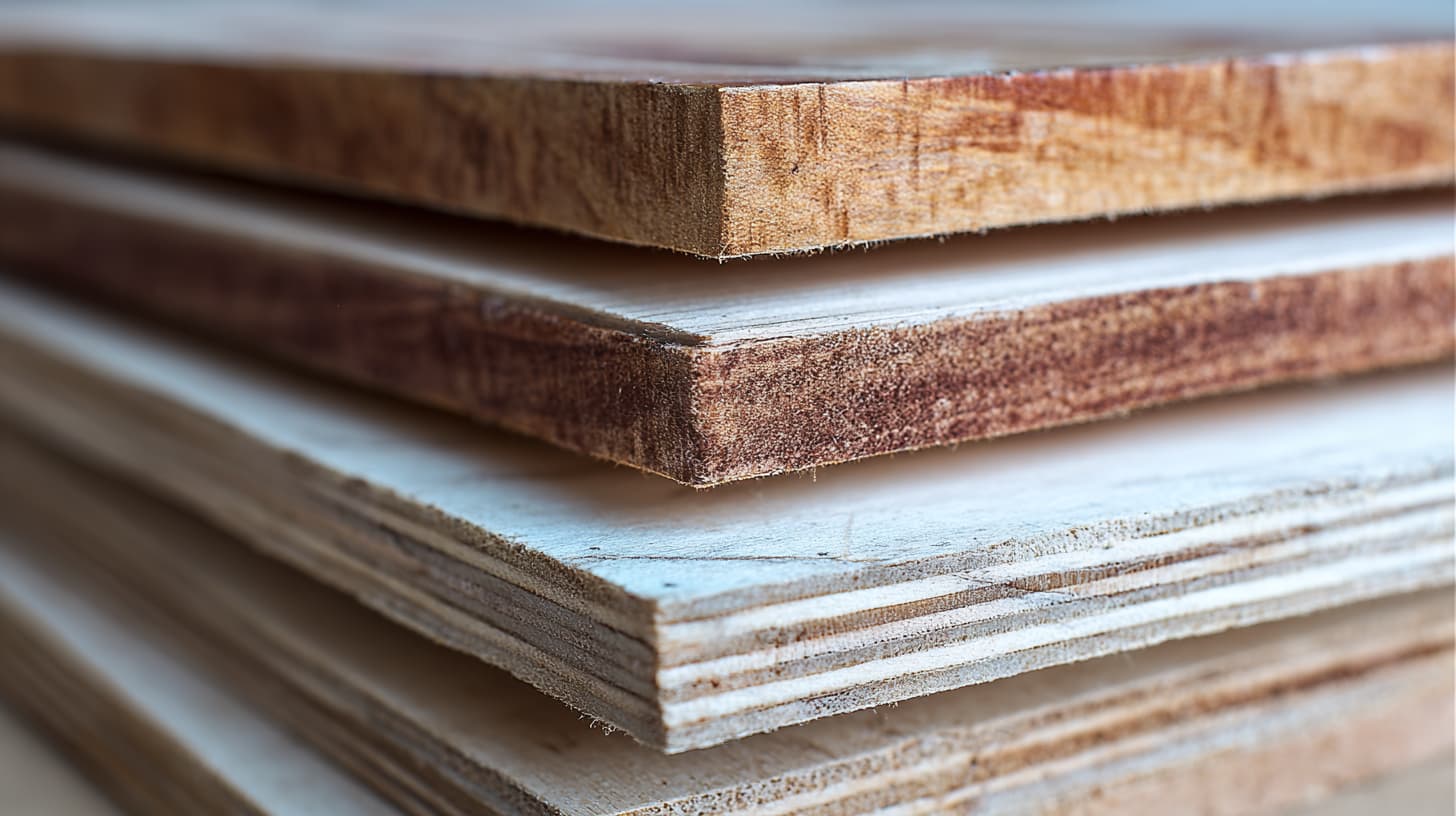
If you live in a high-humidity coastal region or are designing a high-traffic kitchen, Multi-layer Plywood is likely your top contender.
- The Strength Factor: Created by cross-layering thin wood veneers, plywood offers exceptional screw-holding power. It can take a beating and stay standing.
- Moisture Resistance: Unlike MDF or standard particle board, plywood handles occasional water exposure without “blooming” or swelling significantly.
- The Catch: It is prone to slight bending over long spans, so it is rarely recommended for ultra-tall doors without stiffeners.
- Best For: Kitchen sink bases, bathroom vanities, and heavy-duty shelving.
3. The Shape-Shifter: Medium Density Fiberboard (MDF)
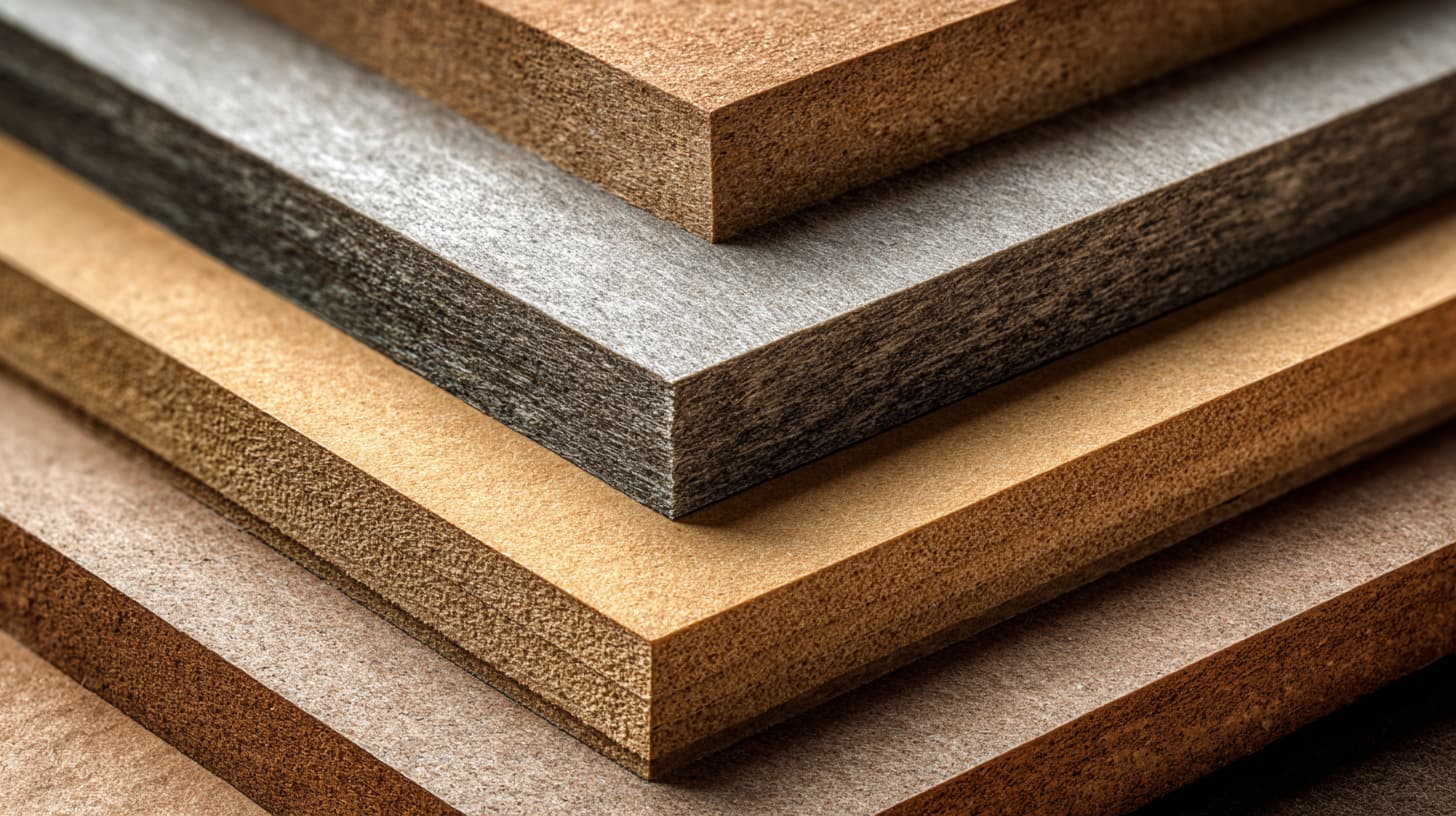
When you see those beautiful, grooved Shaker doors or sleek, curved European panels, you are likely looking at MDF.
- Surface Perfection: MDF is incredibly fine-grained, allowing for intricate CNC routing and high-gloss lacquer finishes that look like glass.
- The Vulnerability: It is essentially “wood flour” pressed together. If moisture penetrates the finish, it acts like a sponge.
- Best For: Painted cabinet doors, decorative wall panels, and intricate moldings.
4. The Eco-Conscious Custom Cabinetry Board Newcomer: OSB and LSB (Oriented Strand Board)
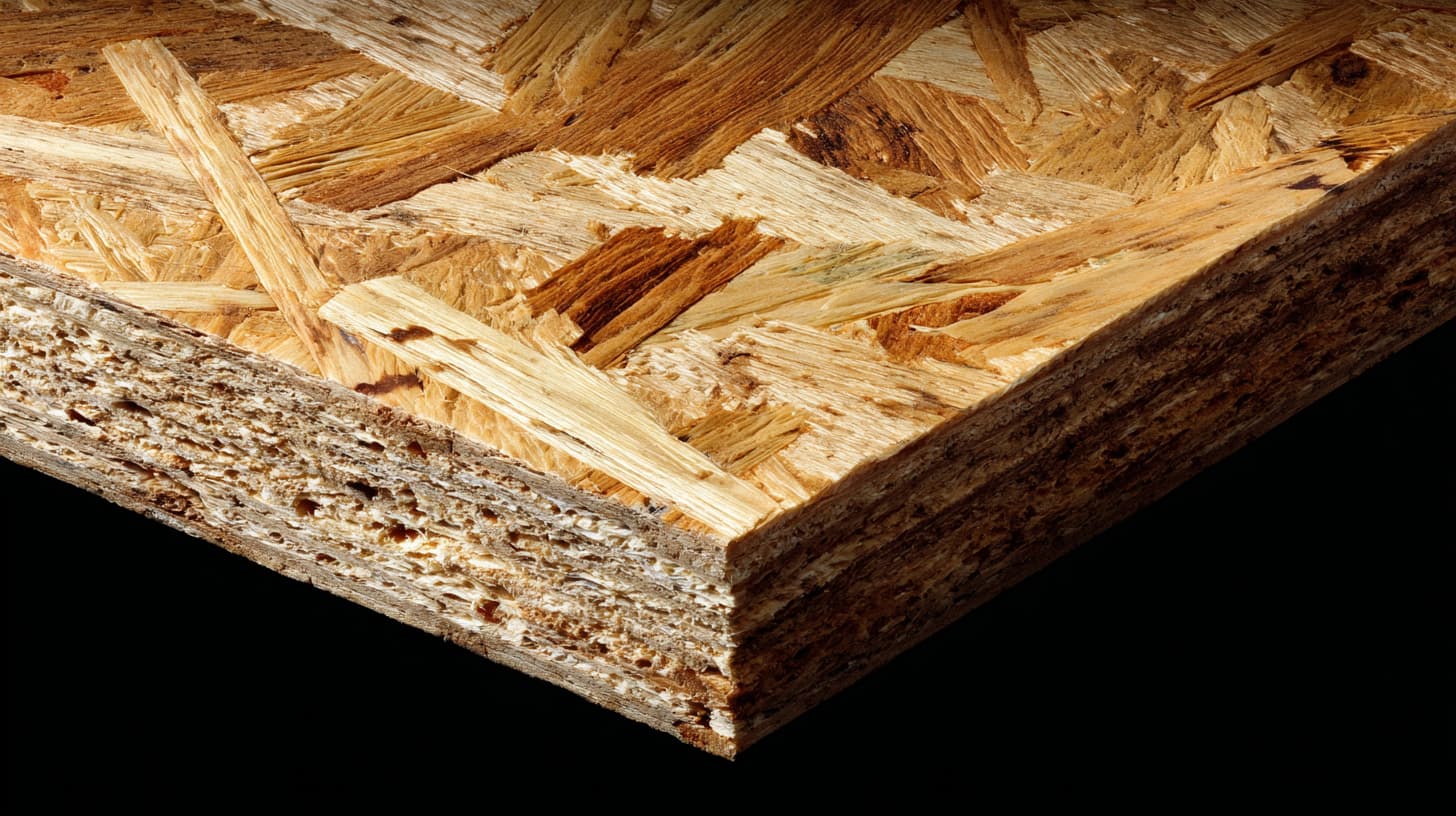
Sustainability is the major trend of 2026. LSB (Light OSB) has gained massive traction as an eco-friendly alternative.
- The MDI Advantage: Most high-quality OSB/LSB uses MDI formaldehyde-free glue. This allows these boards to easily reach the ENF (Environmental Non-Formaldehyde) grade—the strictest standard in the world.
- Best For: Health-conscious families and children’s rooms.
Custom Cabinetry Board Comparative Analysis: At a Glance
| Material | Durability | Moisture Resistance | Aesthetics | Eco-Standard |
|---|---|---|---|---|
| Particle Board | High (Stability) | Moderate | High (Flatness) | E0 / ENF |
| Plywood | Very High | High | Moderate | E0 / E1 |
| MDF | Moderate | Low | Very High | E0 / ENF |
| LSB/OSB | High | High | Moderate | ENF |
The “Secret Sauce”: It’s All in the Edge Banding
A board is only as good as its seal. In 2026, the trend has shifted from the material itself to the edge-banding technology.
Laser Edge Banding: Uses a laser to melt the backing of the tape for a seamless, “zero-joint” look. It’s the gold standard for luxury.
PUR Bonding: Uses Polyurethane Reactive adhesive, which is waterproof and heat-resistant. It’s significantly better than the old EVA glue that tends to peel over time.
Which Custom Cabinetry Board should you choose?
The most popular choice isn’t a single board, but a hybrid strategy:
- Use Multi-layer Plywood for your kitchen’s wet zones (sink cabinets).
- Use ENF-grade Particle Board for your bedroom wardrobes and living room units to ensure they don’t warp.
- Opt for MDF only for the door fronts if you require specific stylistic carvings.
Ready to start your renovation journey?
PA Home supports custom cabinetry projects with a wide range of board material options, including particle board, plywood, MDF, and low-emission board solutions such as E0 and ENF grades. Our team helps homeowners, designers, and developers choose suitable materials based on room function, moisture exposure, finish requirements, budget, and project scale.
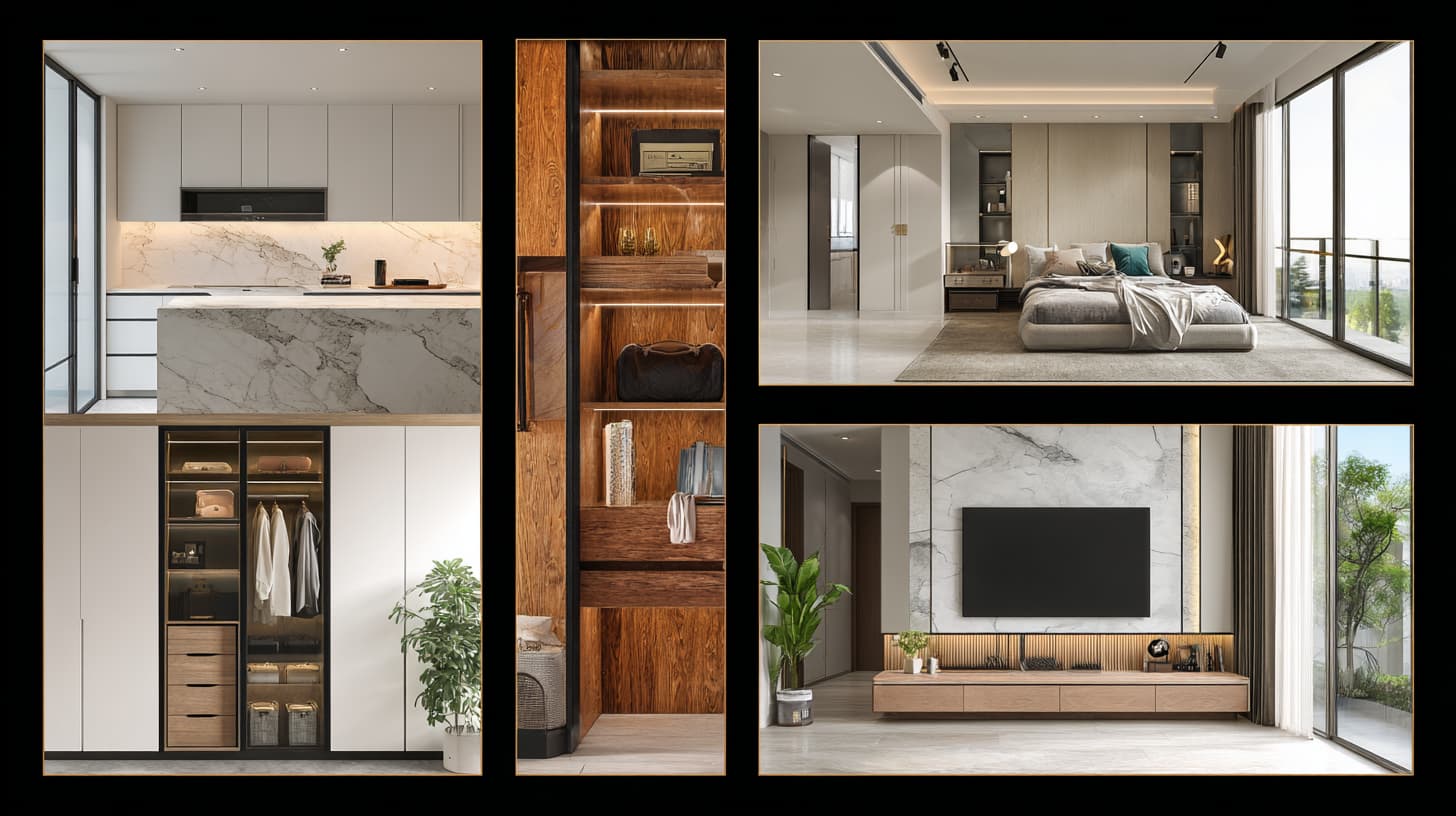
For kitchens, wardrobes, bathroom vanities, TV cabinets, and whole-home storage systems, PA Home provides material consultation, custom design, manufacturing, and project coordination to help turn board selection into a complete cabinetry solution.
FAQs About Cabinetry Boards
1. Is Particle Board really durable enough for a high-end kitchen?
Absolutely. Modern high-density particle board is significantly different from the “cheap” furniture boards of the past. Industrial-grade particle board is the standard for premium European cabinetry because of its exceptional structural stability. It does not warp under temperature changes, making it the ideal substrate for high-end finishes like PET or lacquer. As long as it is sealed with PUR or Laser edge-banding, it can last for decades.
2. How do I know if my cabinets are truly “Formaldehyde-Free”?
No wood product is completely free of natural compounds, but for indoor air quality, ENF-grade boards are among the lowest-emission options available. ENF boards use formaldehyde-free adhesives and comply with strict environmental standards, making them safe for bedrooms, living rooms, and children’s areas.
When buying cabinets, check the material specification on the product label or ask the supplier which grade it meets
3. Why is Plywood often more expensive than Particle Board?
Plywood is generally more expensive due to its manufacturing process, which involves peeling whole logs into veneers and layering them. This requires more raw timber and labor compared to particle board, which uses wood chips. However, the price premium for plywood is often worth it in areas like the kitchen sink base or bathroom vanities where superior moisture resistance is non-negotiable.
4. Can I use MDF for my entire wardrobe to save money?
It is not recommended to use MDF for the cabinet “carcass” (the box). MDF is very heavy, which can cause shelves to sag over time, and its screw-holding power is lower than particle board or plywood. The best approach is to use particle board for the structure and reserve MDF for the decorative door fronts where its smooth surface and carving capabilities can truly shine.
5. What is the biggest mistake people make when choosing cabinet materials?
The biggest mistake is focusing solely on the board material while ignoring the edge-banding. Even the best waterproof plywood will fail if moisture enters through a poorly sealed edge. High-quality edge-banding (specifically Laser or PUR) acts as a protective “armor” for your boards, preventing both moisture entry and the release of any trace gases from the core.